

Small Multi Fuel Stoves For Sale
Small multi-fuel stoves are readily available for sale and provide the convenience of burning a variety of types of smokeless fuels. They are versatile and can be used for a variety of interiors or for home decors.
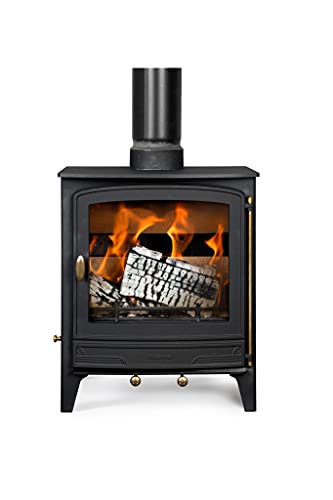
If you reside in a Smoke Control Area you should consider a DEFRA approved stove, like the Stovax Stockton 5, to legally burn wood and other non-smokeless fuels.
Canister Stoves
Canister stoves utilize fuel that is stored in sealed canisters, such as propane, isobutane, or a mixture. They are the most sought-after model of backpacking stoves and provide a high fuel efficiency and ease of operation. They are the best choice for summertime trips and trips where you need to keep the weight of your backpack at a minimum or for those who want an easy-to-use system. They're not as effective in winter weather, and are not the ideal choice for trips at high altitudes.
Some canister-fuel systems, such as the Jetboil MiniMo System or MSR WindBurner System include an integrated design that attaches directly to the fuel canister. This makes for an extremely compact and lightweight system. This helps to save space however it leaves the canister open to the elements. It's less resistant to the effects of windy conditions. Soto's WindMaster stove is not integrated and has a pot support that is more durable. This design keeps the canister close to the burner, which allows for better heat control during stormy conditions.
Many stoves with canisters struggle in cold temperatures. As temperatures drop, so does the pressure in the canister which can result in poor performance or failure. The MiniMo pressure regulator combats this issue, delivering consistent heating in subfreezing temperatures.
Liquid fuel stoves can be refilled and require an additional fuel bottle. They offer a greater range of uses. They can utilize white gas, isobutane/propane blends, Kerosene, and some even take unleaded gasoline (the MSR WhisperLite International is an excellent example). These flexible designs are the best option for those who plan to travel in areas where finding fuel canisters isn't easy.
Some backpackers choose wood-burning appliances that are efficient in terms of energy consumption, but add a significant amount of weight and bulk. There are also stoves that are designed for backpacking, which use biomass or wood to generate fuel. One such stove is the Solo Stove Lite. These stoves are ideal for backpacking trips of a shorter duration, and they don't offer the same level of convenience as a liquid-fuel or canister system.
Liquid Fuel Stoves
Multi-fuel stoves with liquid fuel differ from canister stoves. They use a pump that keeps pressure in the fuel container, and then forces it into a small nozzle, where it gets burnt. They are more suitable for outdoor activities in cold weather or hiking, and they can operate in temperatures below freezing. You can also refill them much more easily than canisters as you just open the lid and add more. White gas is the fuel used in most liquid fuel stoves. It is a highly refined fuel which has little or no impurities. It burns clean and hot at temperatures below freezing. Some can also run on cheaper and dirtier fuels such as kerosene or diesel.
The downside to these stoves is they are generally heavier than canister stoves, and they have a lot of parts and moving parts that require to be cleaned and primed over time. In the event of wind they may be more difficult to use since the pumping motion can cause the flames to flicker or even smoke. Many also require a priming procedure that involves burning a drip or two of the fuel in a cup under the burner to heat it up and convert it from a liquid into a gas.
Liquid fuel stoves are able to function in frigid temperatures, as do stoves that are based on canisters. They are also more stable than canisters as they sit further from the ground and have large stove legs, which serve as solid platforms. Some are as sturdy as Trangia multifuel stoves X2 and can be used with the original Trangia burner (if you have a Trangia adaptor for the X2).
Most stoves run multiple fuel types through one nozzle, however some models feature an integrated shaker jet ala MSR which is better suited for igniting white gas. They're also a good option for international travel, where it can be hard to locate canister fuel or proper outdoor supplies stores. There are several top, easy to use lightweight stoves for liquid fuel available - the Kovea Hydra and Dual Max are two of the top examples.
Gas Stoves
Gas stoves are an essential part of American cooking. It's difficult to find a home in the US without one, and they are well-known for a variety of reasons. They heat up quickly, utilize natural gas (typically cheaper than electricity) to provide energy and don't require any special installation or venting.
However, a growing number of scientists are raising concerns about the carbon dioxide emissions they produce. When firing, gas stoves release carbon monoxide and formaldehyde in levels that are above EPA guidelines and nitrogen dioxide, which is also linked to a range of health issues, including learning deficits in young children, lung infections and an increased risk of developing asthma in children. Even when they're not operating, they release methane which is a greenhouse gas. It is considered more potent than carbon dioxide but does not remain in the atmosphere for as long.
The debate has sparked an argument about whether gas stoves should or shouldn't be banned. Lawmakers have also weighed on the issue. A group of Republican senators has introduced two bills that would prevent the CPSC from baning them, while House Republicans have passed legislation to safeguard consumers' right to choose the kitchen appliances they prefer.
In the meantime, some homeowners are deciding to switch from gas to electric or altering their existing stoves to reduce harmful emissions. Some are still unwilling to give up their favorite kitchen gadget. Here's what you need to understand about the risks of these stoves.
The amount of nitrogen dioxide generated by a stove varies based on the type of food being cooked and its temperature setting. However they can still generate significant amounts of nitrogen oxide when they are in operation. According to a 2020 study by Rocky Mountain Institute, Physicians for Social Responsibility and Mothers Out Front, boiling water or baking cakes in a gas stove could produce NO2 concentrations that exceed outdoor air quality standards. However, roasting chickens and using high-temperature settings can send these numbers skyrocketing.
If you're looking at cutting down on your carbon footprint it is essential to purchase an appliance that has a streamlined design and follow a few simple energy-saving tips. For instance, you should keep your burners clean so that they're operating as efficiently as they can. It's best to use the burners only when you need they, as if you use them too often, they can use up to 40% of their power.
Portable Stoves
A small stove is an ideal addition to your camping equipment particularly if you're constantly traveling. You can cook and drink water while hiking, cycling or hiking. Stoves can run on different fuel sources, from wood and charcoal to propane and gas. The cost of the stove depends on your chosen fuel source, and also the amount of energy it consumes and its efficiency.
Small multifuel stoves are very cost-effective, particularly if you choose one that uses propane or natural gas. They are also extremely efficient, consuming only a less fuel than other stoves require to generate the same amount of heat. Gas stoves generally have a larger cooking footprint than other models, allowing you to accommodate two large-diameter pots or pans side-by-side.
While you may think the cost of a butane-fueled stove is high but it's a viable option in situations of emergency where electricity isn't readily available. Its lightweight weight and compact design makes it easy to transport and store. It is also a fast-heating model, which means you can start cooking your meals right away.
Liquid fuel stoves are easily found in outdoor stores, however they are difficult to find in remote regions. They're usually self-pressurized and do not need pumps. However, you may require refilling them after you've used them. click the next document can be adjusted, so you can simmer without reducing the amount of heat produced.
Solid fuel stoves are simple to operate and extremely light however, they're not suitable for windy or rainy weather. Solid stoves that burn fuel are more smelly and require Esbit tabs for fuel.
A wood-burning stove has gained a lot of popularity in recent years because it makes use of a readily available and sustainable fuel source. However, they are not able to provide flame and heat control, and are subject to fire bans in some areas. To avoid creosote and flammability issues, they must also be maintained carefully. Be sure to adhere to all height and clearance requirements and ensure that you have a way to remove smoke and ash.